
-
 Forum
ForumTsinghua WAIC 2026 From Consensus to Action: Global Experts Advance Practical Pathways for AI Governance
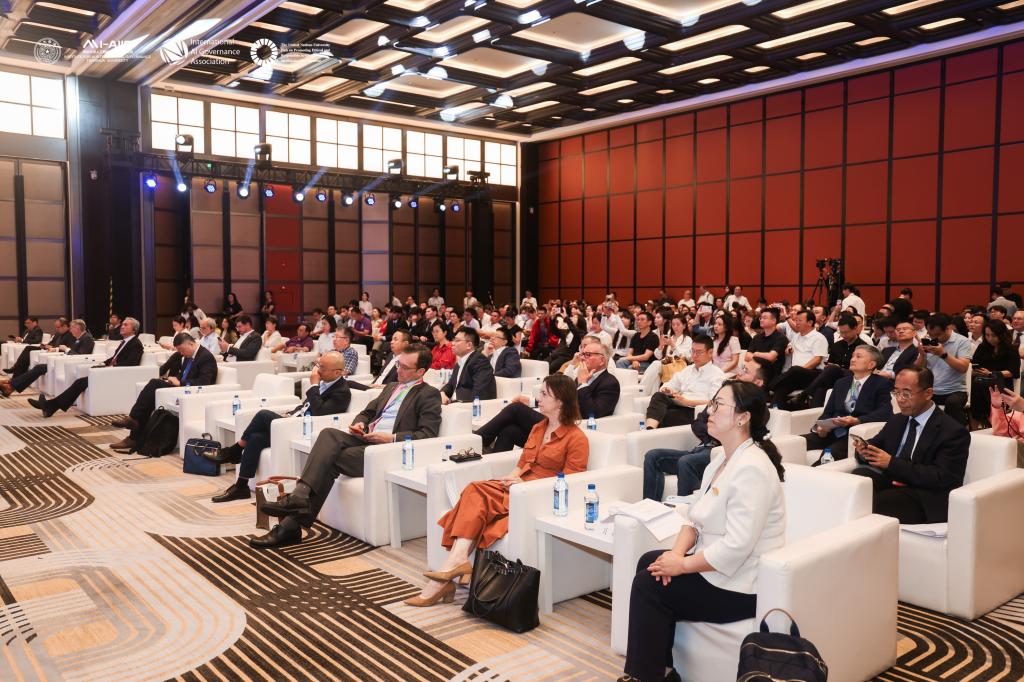
On July 18, 2026, more than 300 representatives from governments, United Nations (UN) agencies, academia, industry, and civil society convened at the 2026 World Artificial Intelligence Conference (WAIC) for the forum “From Consensus to Action: Possible Pathways for Global AI Governance” in Shanghai, China. Organized by Tsinghua University’s Institute f...
-
 Forum
ForumI-AIIG Co-hosts Official Side Event of the First UN Global Dialogue on AI Governance
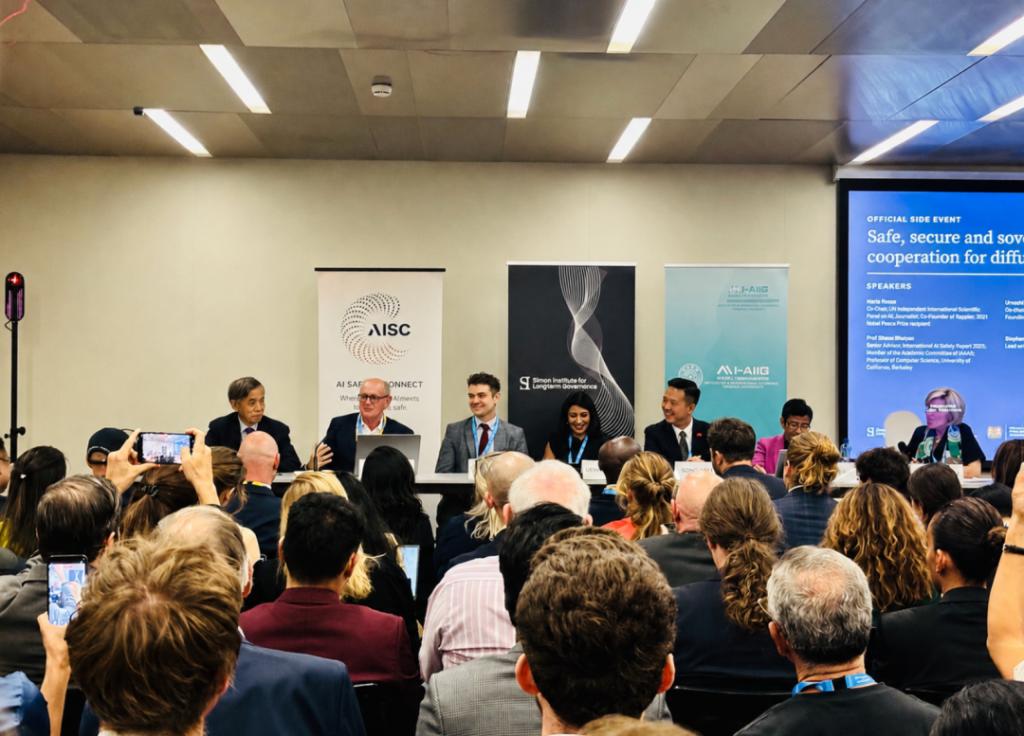
On July 6, 2026, the Institute for AI International Governance (I-AIIG) at Tsinghua University and the Simon Institute for Longterm Governance (SI) co-hosted the official side event “Safe, Secure and Trustworthy AI: Bridging Global Evidence and Local Realities through Scientific Collaboration” at the inaugural UN Global Dialogue on AI Governance in Gene...
-
 Forum
ForumWSIS 2026 Safe at Scale: Translating the UN Automated Driving Systems (ADS) Regulation into Global Action
-
 Talent Cultivation
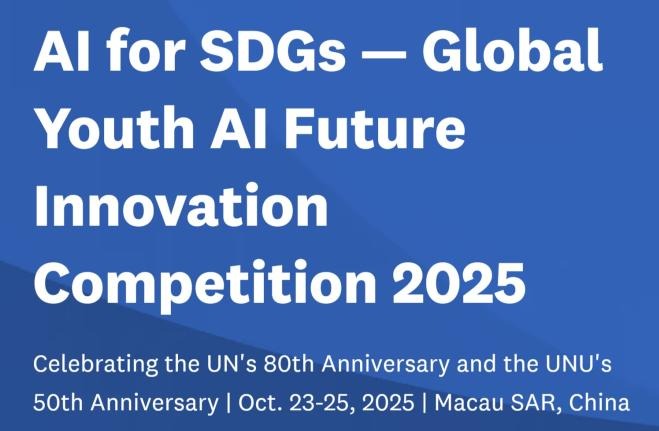
AI for SDGs — Global Youth AI Future Innovation Competition ...
The UNU Global AI Network is pleased to launch the AI for SDGs — Global Youth AI Future Innovation Competition, an international science and technology innovation competition with the goals of empowering social innovation1, advancing yo...
-
 Talent Cultivation
The Potential of Global Youth to Leverage AI to Advance the S...
The final competition of this year’s U&AI | AI for SDGs Youth Bootcamp, hosted by the Institute for AI International Governance of Tsinghua University (I-AIIG) and supported by the United Nations Development Programme (UNDP), was succes...
-
 Talent Cultivation
Global Youngsters Put Forward Innovative AI Solutions for SDG...
17 November, Beijing – Global youth from 14 teams put forward innovative AI solutions for advancing the Sustainable Development Goals on Tuesday at the online final competition of U&AI Camp, an international youth bootcamp. Launched in ...
-
 News
NewsSouth Korean Embassy Visits I-AIIG
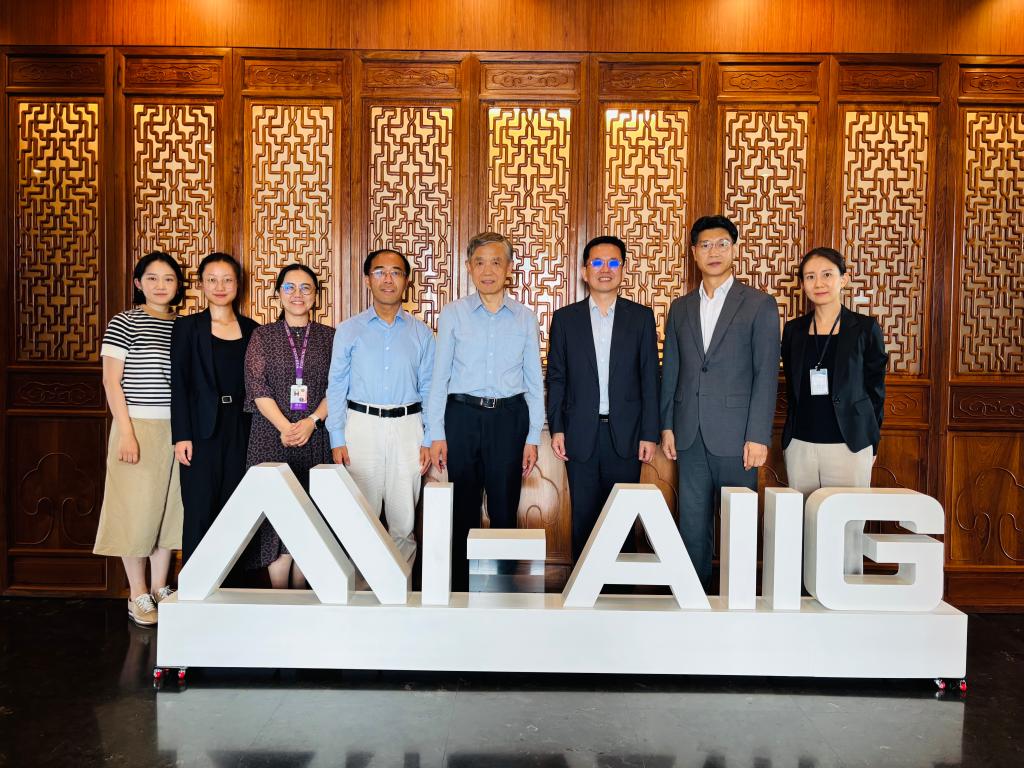
On August 11, 2026, Kim Jin-dong, Minister for Economic Affairs at the Embassy of the Republic of Korea in China, and Sangyeol Shin, Minister-Counselor for Science and Technology, together with First Secretary Inah Baek, visited the Inst...
-
News
Tsinghua WAIC 2026 From Consensus to Action: Global Experts A...
On July 18, 2026, more than 300 representatives from governments, United Nations (UN) agencies, academia, industry, and civil society convened at the 2026 World Artificial Intelligence Conference (WAIC) for the forum “From Consensus to ...
-
 News
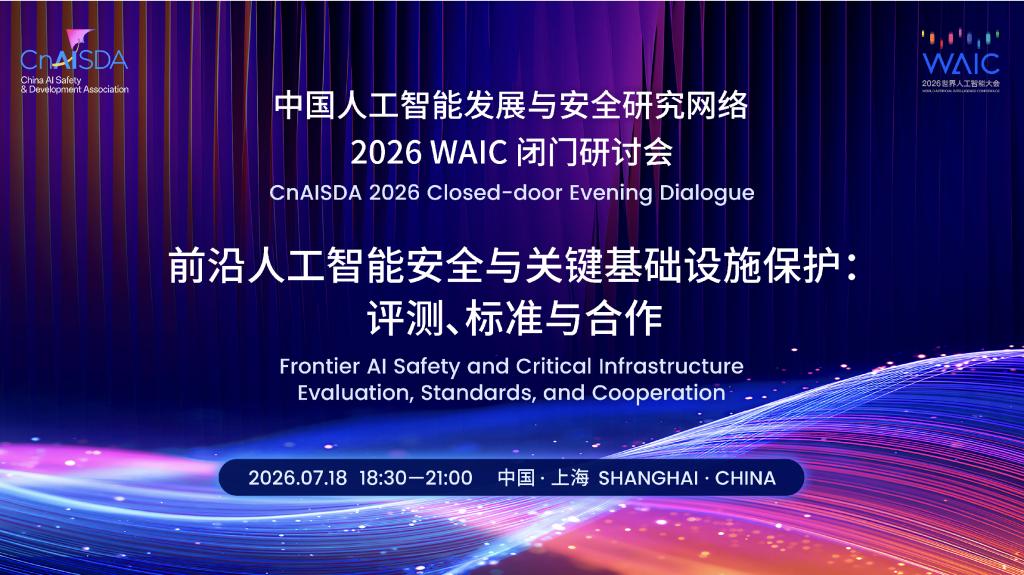
NewsClosed-Door Evening Dialogue on “Frontier AI Safety and Crit...
On July 18, 2026, the Closed-Door Evening Dialogue on “Frontier AI Safety and Critical Infrastructure : Evaluation, Standards and Cooperation” was successfully held at the Shanghai West Bund International Convention and Exhibition Cent...
-
 Features
Stuart Russell Experts are warning: our AI arms race is putti...
A recent letter signed by 1,367 researchers and engineers at frontier AI labs – mainly OpenAI, Anthropic and Google Deepmind – points to a dangerous moment
-
-
 Features
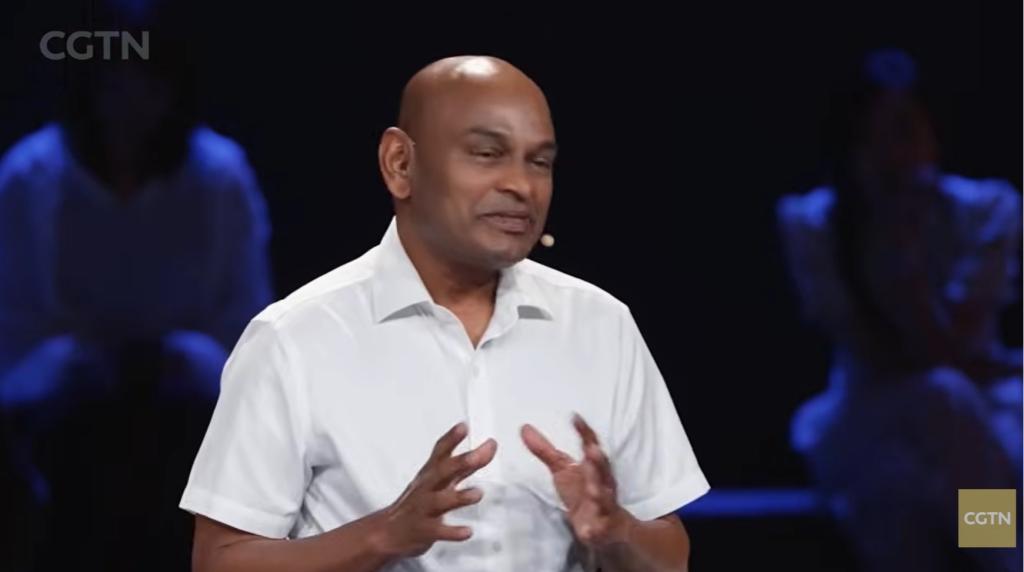
CGTN Should governance be in effect before AI developments? |...
The rapid evolution of AI has long outpaced human capabilities. From the United Nations' arduous adoption of the first global AI governance resolution to the upheaval of elections in multiple countries by deepfake-generated misinformatio...
-
 Features
China science groups release global AI governance initiative
Liang Zheng, said governance is not keeping pace with technological development and pointed to widening capability gaps between countries, as well as difficulties in building broader governance consensus.
-
 Features
Smart tech seen under spotlight, but the real star is human
"If we assume, based on past experience, that new jobs will naturally emerge, that may not necessarily hold true this time," Xue said. He pointed to the need for stronger policy responses, particularly in social security, as workers navi...

-
Outcome Report - International AI Coorperation and Governance Forum 2025
-
Paper - The decision-making by citizens: Evaluating the effects of rule-driven and learning-driven automated responders on citizen-initiated contact
Highlights•AI as automated respondents reduces citizen-initiated contact; learning-driven AI worsens the effect more than rule-driven AI.•Respondent image, channel, purpos...
-

Paper - What does the public think about artificial intelligence? An investigation of technological frames in different technological context
Highlights•Examining public expectations and knowledge of AI through the theoretical lens of technological frames.•There are similarities and differences in the public’s ...
-
Paper - Exploring cross-national divide in government adoption of artificial intelligence: Insights from explainable artificial intelligence techniques
Highlights•AI adoption is a continuum rather than a dichotomous.•The underlying causes of global governmental AI adoption divide is explored.•Explainable Artificial Intel...