On July 10, 2026, the Institute for AI International Governance (I-AIIG) at Tsinghua University hosted the official side event “Safe at Scale: Translating the UN Automated Driving Systems (ADS) Regulation into Global Action” at the WSIS Forum 2026 in Palexpo, Geneva.
Co-organized by the International AI Governance Association (IAGA) and the China Association for Science and Technology (CAST) Consultative Committee on Science Diplomacy to the United Nations (UN), the session gathered representatives from international organizations, standards bodies, academia, industry, and testing institutions to discuss how the newly adopted UN ADS Global Technical Regulation (GTR) can be implemented in practice and support the safe deployment of automated driving technologies worldwide.
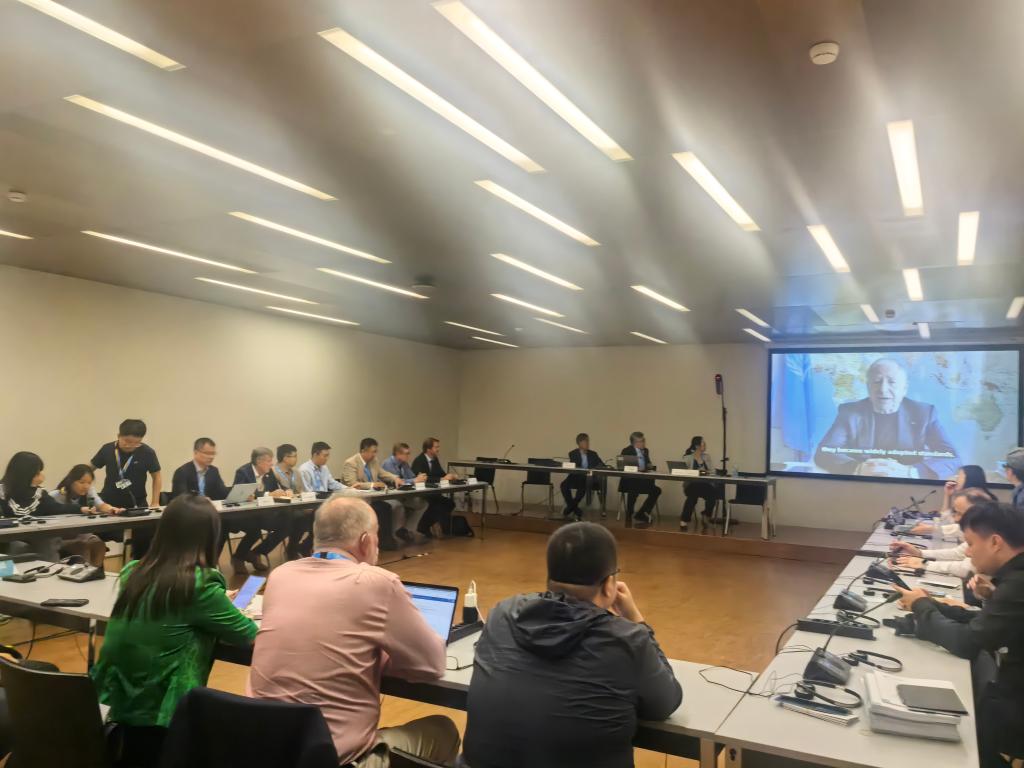
The event featured opening remarks from Mr. Jean Todt, the UN Secretary-General’s Special Envoy for Road Safety, and Professor Xue Lan, Dean of Tsinghua University’s I-AIIG. The opening session was moderated by Professor Xiao Qian, Vice Dean of I-AIIG. The panel discussion was moderated by Professor Gong Ke, Executive Director of the Chinese Institute for the New Generation Artificial Intelligence Development Strategies and former President of the World Federation of Engineering Organizations (WFEO).
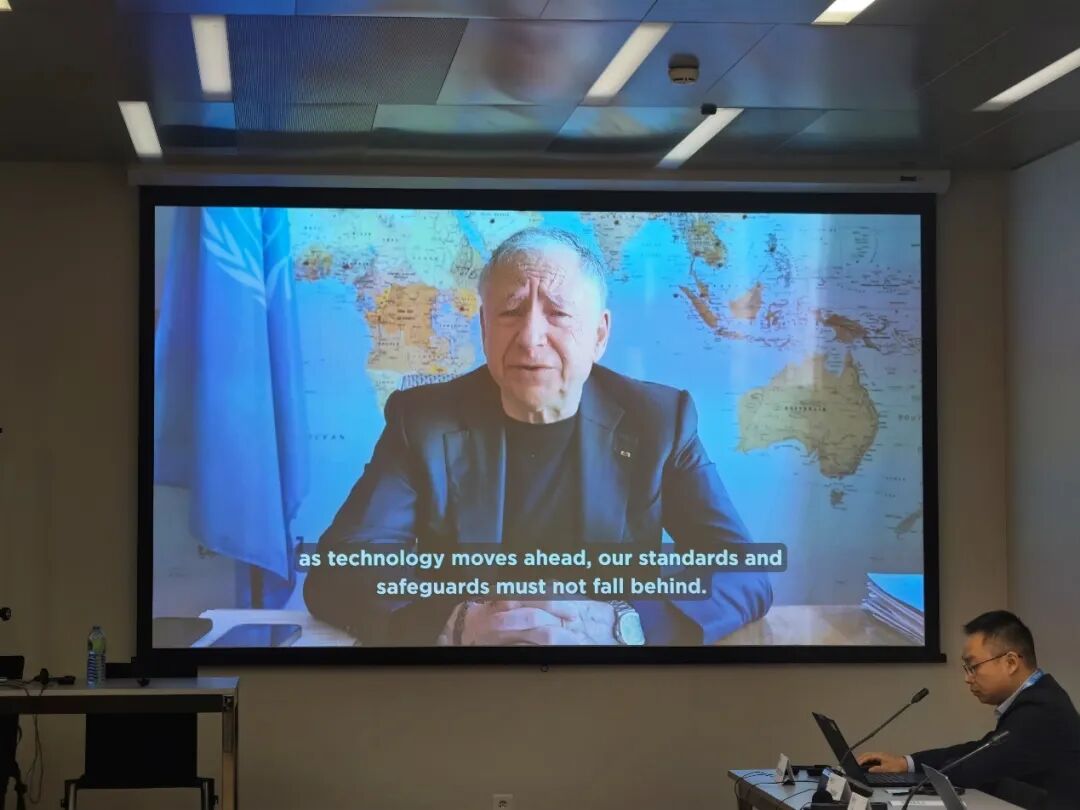
In his opening remarks, Mr. Jean Todt noted that road safety remains a global issue, with human error contributing to the majority of traffic fatalities. He remarked that automated driving and AI provide new opportunities to improve mobility safety, but technological advancement must be accompanied by rigorous validation, effective safeguards, and responsible use.
Highlighting the importance of the UN ADS GTR, Mr. Todt stressed that adopting the regulation represents only the beginning of a long-term process. He emphasized that simulation, closed-course testing, and real-world experience are all essential parts of building trust and demonstrating safety. He called for continued international cooperation to ensure that safe automated mobility can be deployed at scale and benefit people worldwide.
Professor Xue Lan stated that automated driving represents one of the most important intersections between AI and the physical world. Safety depends not just on technological capabilities but also on the broader governance ecosystem, including standards, institutions, and public trust.
Professor Xue highlighted that embracing the ADS GTR marks an important step from fragmented approaches toward greater international coordination. However, he stressed that the real challenge lies in execution: developing interoperable testing standards, reducing regulatory fragmentation, and establishing reliable cross-border validation pathways covering simulation, closed-course testing, and real-world deployment.
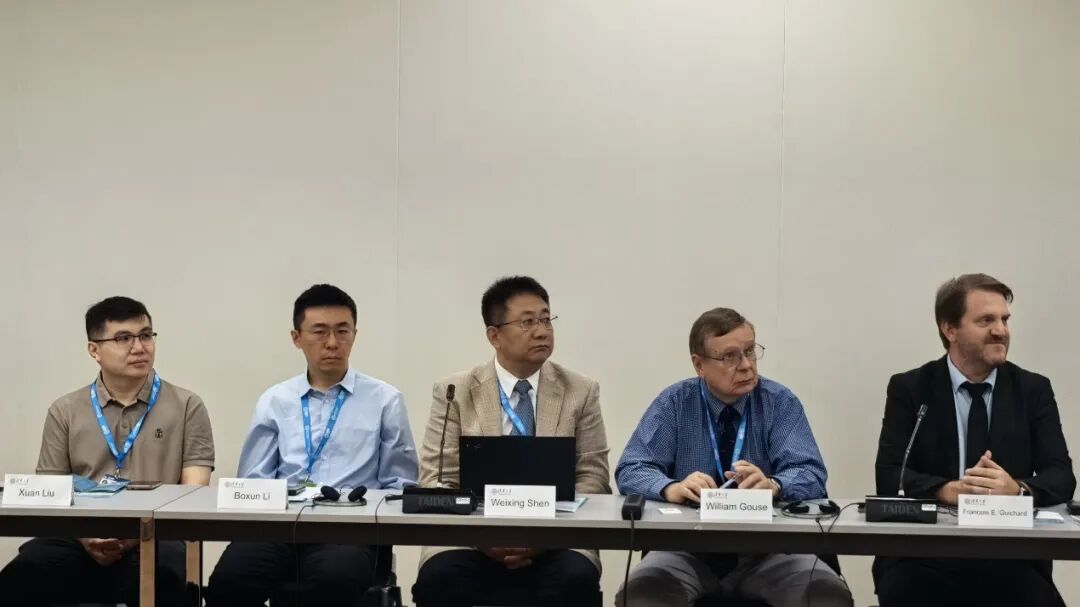
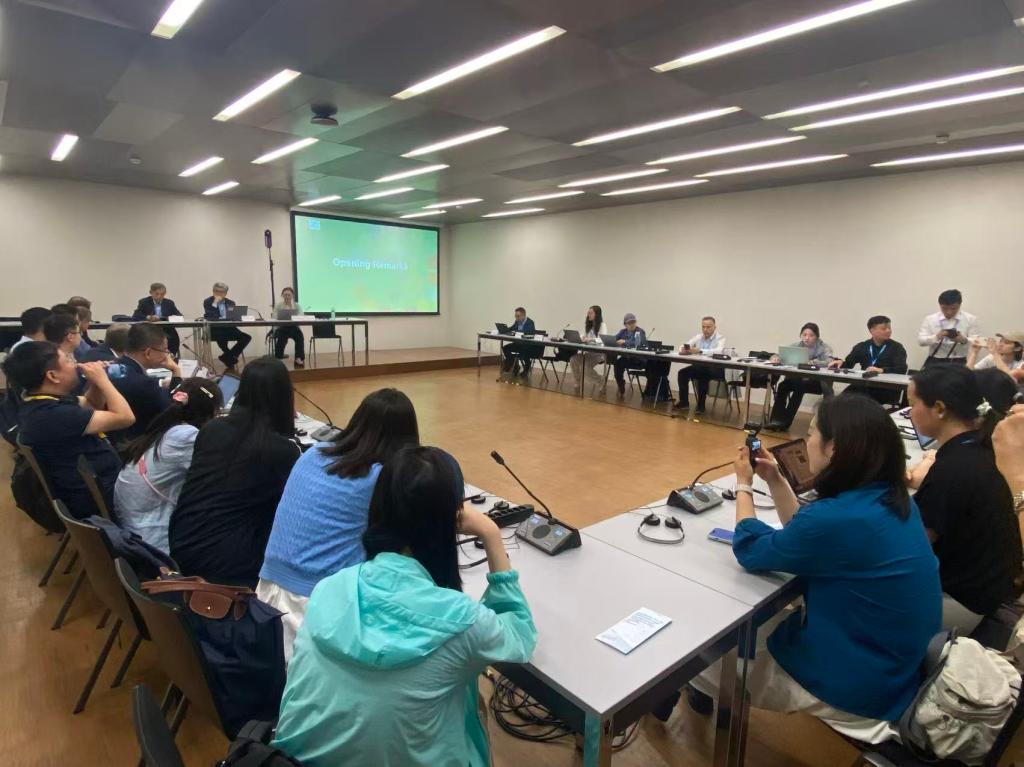
The panel discussion, moderated by Professor Gong Ke, examined key issues in implementing the ADS GTR, including regulatory alignment, cooperation on international standards, safety validation, and pathways toward large-scale deployment.
Mr. François E. Guichard, Secretary of the Working Party on Automated/Autonomous and Connected Vehicles (GRVA) under UNECE WP.29, described the ADS GTR as a historic milestone in international vehicle regulation. He explained that the regulation aims to establish a common safety foundation while enabling continued innovation. Looking ahead, he highlighted the need to support consistent use through guidance documents, technical expertise, and broader participation by countries worldwide.
Mr. William Gouse, Director of International Government Industry Technical Affairs, Global Ground Vehicle Standards at SAE International, and Co-Secretary of the UNECE Informal Working Group for Validation Methods of Automated Driving, highlighted that voluntary standards and regulatory frameworks should work in tandem. He noted that SAE International continues to develop standards for cybersecurity, data recording systems, testing methodologies, and safety cases, providing common approaches for industry and regulators. He stressed that the ADS GTR marks a new phase of work rather than the conclusion of standardization efforts.
Professor Shen Weixing, Professor and Director of the Institute for Studies on AI and Law at Tsinghua University, discussed the implications of the ADS GTR for China and other jurisdictions with current automated driving frameworks. He observed that the regulation provides a common global safety baseline while allowing countries to maintain their own regulatory approaches. He also highlighted that international alignment could reduce compliance barriers for companies and support a balance between national governance needs and global cooperation.
From the perspective of AI infrastructure, Mr. Li Boxun, Chief Technology Officer of Infinigence AI, underlined the challenges of large-scale validation for automated driving systems. He noted that safety assurance requires highly automated infrastructure capable of handling large numbers of scenarios, integrating simulation and real-world data, and producing reliable evidence. He underscored that safety cannot rely solely on companies’ own claims but requires independent evaluation and verifiable evidence.
Mr. Liu Xuan, Co-founder and Vice President of DeepRoute.ai, emphasized that the ADS GTR changes the way companies approach safety by shifting from isolated testing to a full-lifecycle safety management approach. He noted that future deployment requires structured, traceable evidence that combines simulation, closed-course testing, and real-world operation. Internationally aligned frameworks, he added, can help reduce the need for repeated validation across markets.
Mr. Fan Hailong, General Manager of the Electronic Information Division at China Merchants Testing Vehicle Technology Research Institute Co., Ltd., drew attention to the evolving role of testing institutions. He remarked that future vehicle assessment should extend beyond pre-market compliance toward lifecycle safety assurance, including simulation evaluation, road testing, continuous monitoring, and evidence-based risk assessment.
During the open discussion, speakers further examined the barriers to scaling automated driving, such as regulatory capacity, legal adaptation, technical validation, and international coordination.
The participants agreed that the future of automated mobility depends on technological progress and the ability of governments, standards organizations, industry, research institutions, and testing bodies to establish trusted mechanisms for cooperation and mutual recognition.
In his closing remarks, Mr. John Higgins, CBE, Chairman of IAGA, concluded that the challenge of global automated driving governance lies not only in creating rules but also in ensuring their application through sustained international collaboration. He noted that standards can help reduce fragmentation and facilitate cooperation, but they require ongoing dialogue among regulators, technical experts, and industry stakeholders.
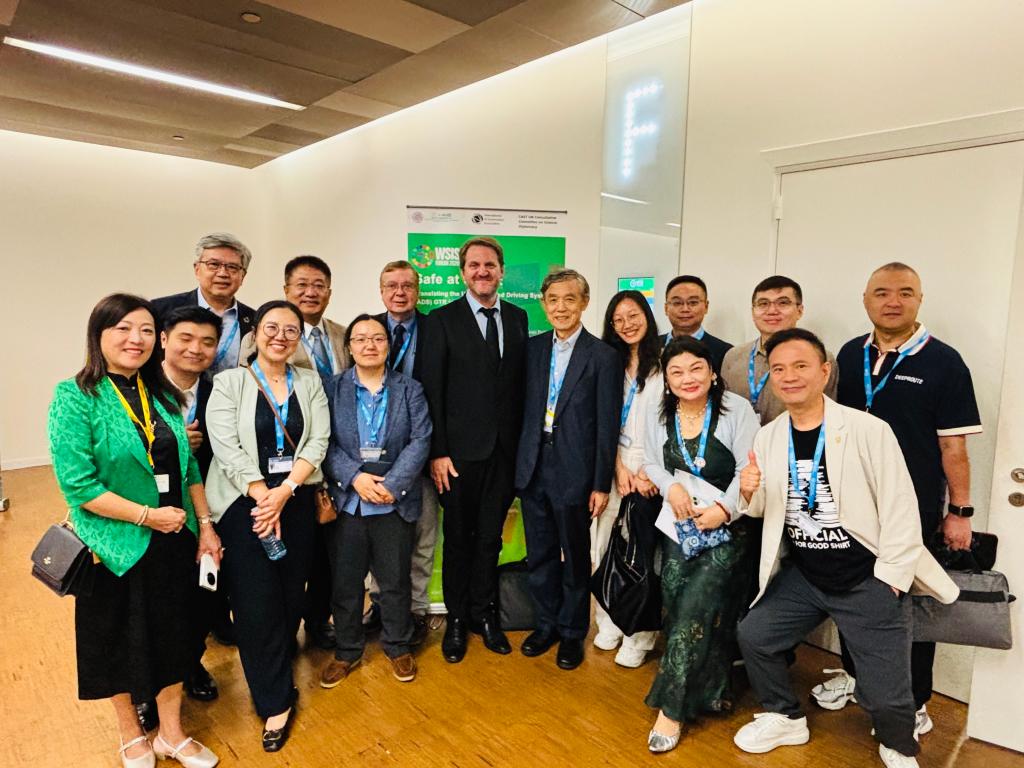
This event demonstrated the importance of aligning global regulatory frameworks with practical implementation experiences. Through this dialogue, I-AIIG reaffirmed its commitment to advancing international cooperation on AI governance and supporting discussions among policymakers, researchers, and industry leaders on the responsible development of emerging technologies.