On July 8, 2026, the Institute for AI International Governance (I-AIIG) at Tsinghua University, in collaboration with the International AI Governance Association (IAGA), convened a high-level, closed-door roundtable, “Governing Frontier AI: Safety, Inclusion, and Global Coordination,” in Geneva. The roundtable brought together more than 40 senior representatives from governments, international organizations, academia, and industry, providing a platform for in-depth discussions on frontier AI safety, evaluation, international coordination, and inclusive governance.
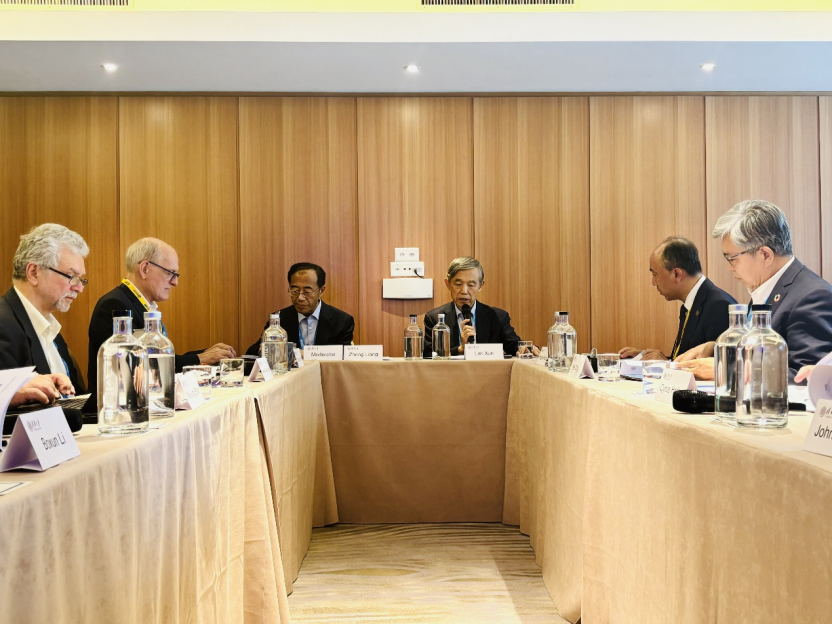
The event was opened by Wang Hongwei, Vice President of Tsinghua University, with Xue Lan, Dean of I-AIIG, serving as the moderator.
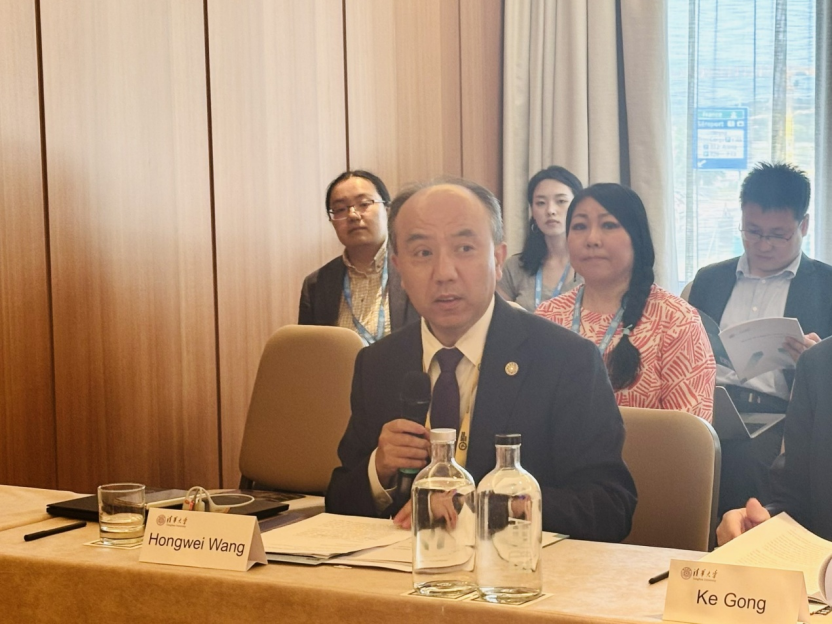
In his opening remarks, Wang highlighted that AI has entered a new phase of large-scale deployment, creating unprecedented opportunities and increasingly complex governance challenges. He noted that although global competition in AI technologies, supply chains, and rule-making continues to intensify, international cooperation remains indispensable to ensuring that AI develops safely, responsibly, and for the benefit of all. He reaffirmed Tsinghua University’s commitment to fostering global talent, promoting international dialogue, and contributing Chinese perspectives to global AI governance.
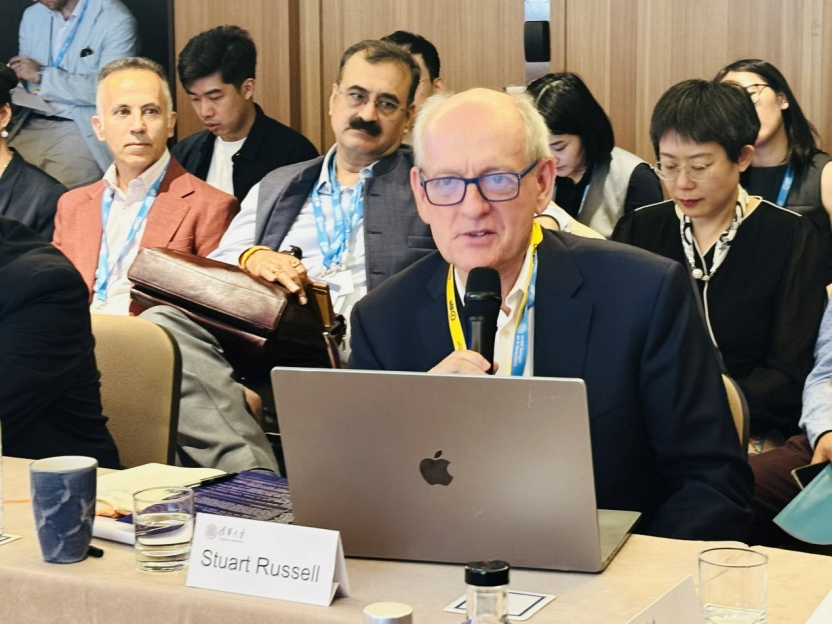
The first panel, moderated by Liang Zheng, Vice Dean of I-AIIG, focused on frontier AI safety and evaluation challenges. Panelists included Stuart Russell, Professor of Computer Science at the University of California, Berkeley and Member of the I-AIIG Academic Committee; Gong Ke, Former President of the World Federation of Engineering Organizations; Daniele Gerundino, Senior Researcher at the University of Geneva and Former Assistant Secretary-General of the International Organization for Standardization (ISO); Cyrus Hodes, Founder of AI Safety Connect and Venture Partner at Lionheart Ventures; and Li Boxun, Chief Technology Officer of Infinigence AI.
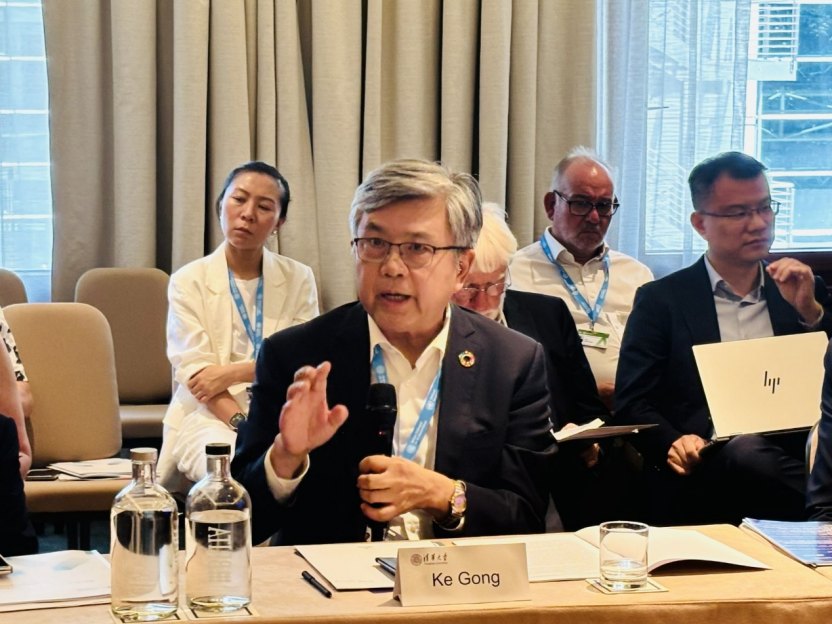
Discussions examined the widening gap between advancing frontier AI capabilities and existing governance mechanisms. Participants exchanged views on the effectiveness of current model evaluations, safety engineering, international standards, incentive mechanisms for responsible AI development, and the role of technical infrastructure in AI safety. The panel also emphasized the need to translate AI safety principles into practical governance tools through collaboration among governments, industry, standards organizations, and the research community.
The second panel, moderated by Shen Weixing, Professor and Director of the Institute for Studies on AI and Law at Tsinghua University, explored pathways toward more inclusive and coordinated global AI governance. Panelists included Anne-Marie Buzatu, Executive Director of ICT4Peace Foundation; Christoph Stückelberger, Professor of Global Ethics and Main Editor of AI Governance Ethics; Wang Ning, Group Leader of the Digital Society Initiative at the University of Zurich, and Member of the AI Global Alliance of the World Economic Forum and of the WHO Ethics and Governance of AI for Health Expert Group; Liu Jiaqi, Chief Expert in AI Governance and Industrial Development; and Chen Tianhao, Associate Professor at the School of Public Policy and Management, Tsinghua University.
The discussion addressed the implications of sovereign AI, ethical interoperability across cultures, capacity building for developing countries, and institutional barriers to inclusive AI governance. Speakers highlighted the need to balance national priorities with international cooperation, strengthen multistakeholder engagement, and ensure that global AI governance frameworks reflect the interests and needs of countries at all stages of development.
John Higgins, Chair of IAGA, delivered the roundtable closing remarks. Reflecting on the day’s discussions, he stressed the need for stronger international collaboration, differentiated governance for AI developers and deployers, and greater participation by governments, industry, academia, civil society, and international organizations. He noted that safe, inclusive, and globally coordinated AI governance will require sustained dialogue, practical cooperation, and shared responsibility among all stakeholders.
The event strengthened international exchanges on frontier AI governance and reaffirmed I-AIIG’s commitment to global dialogue and collaborative solutions for the responsible development of AI.