The international conference “Building AI Capacity in Southeast Asia: Education, Talent and Regional Cooperation” took place on October 20, 2026, at the Cloud Lounge of the Tsinghua Southeast Asia Center (Tsinghua SEA) in the Kura Kura Bali Special Economic Zone, Indonesia. Organized jointly by Tsinghua University’s Institute for AI International Governance (I-AIIG), Tsinghua SEA, and Globethics, the conference brought together academic leaders, government officials, representatives of international organizations, and industry experts to explore opportunities for cross-border cooperation in AI education, talent development, responsible governance, and industry applications.
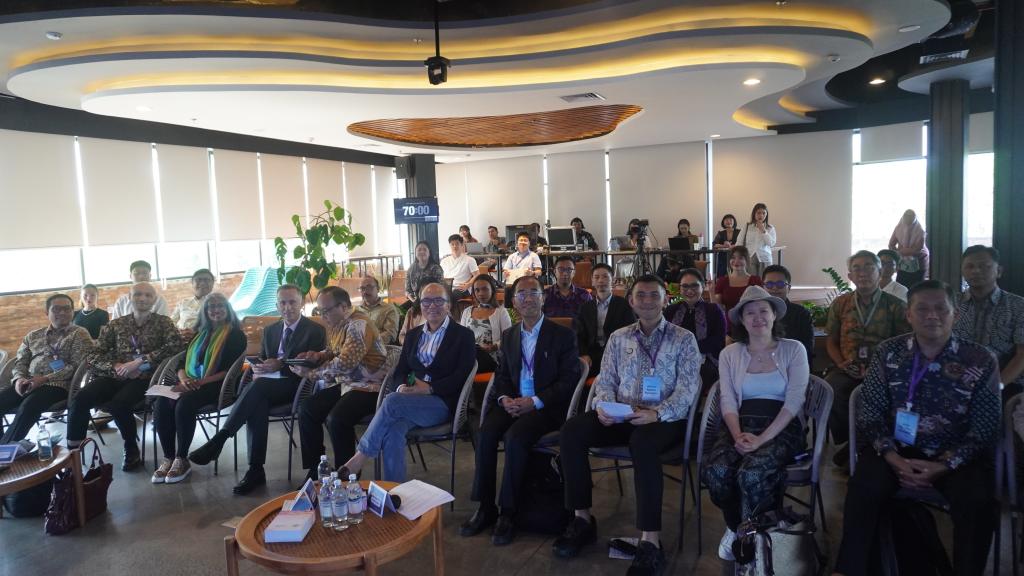
The conference opened with remarks from Liang Zheng, Vice Dean of I-AIIG; Bonifasius Wahyu Pudjianto, Head of Agency for Human Resource Development on Communication and Digital Affairs, Ministry of Communication and Digital Affairs of the Republic of Indonesia; Tantowi Yahya, President of United in Diversity Foundation; and Fadi Daou, Executive Director of Globethics.
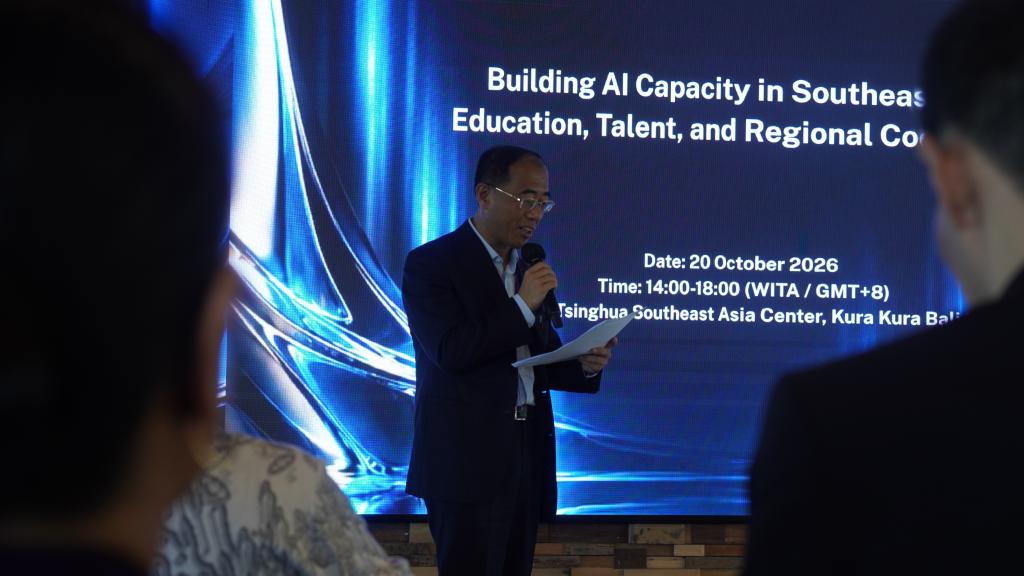
In his opening remarks, Liang Zheng noted that AI’s benefits across education, research, industry, and public services hinge on effective talent development, institutional capacity, and the ability to address societal and economic needs. He emphasized Southeast Asia’s potential in contributing to inclusive and sustainable AI development through regional diversity and international collaboration. Bonifasius Wahyu Pudjianto also highlighted Indonesia’s growing demand for digital talent and the need for collaboration among government, academia, and industry to expand AI training opportunities. Meanwhile, Tantowi Yahya stressed that AI capacity-building is not only a technological challenge but also a human and institutional one that requires trust, shared responsibility, and an understanding of local needs. Lastly, Fadi Daou underlined the importance of strengthening AI literacy, embedding accountability within institutions, and advancing multilateral cooperation to ensure that AI benefits society as a whole.
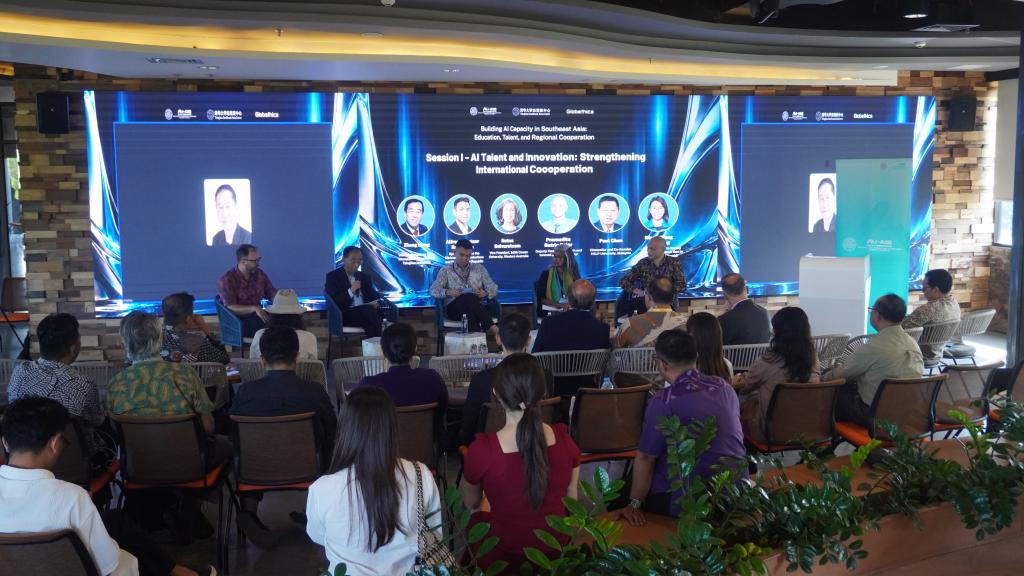
Session I, “AI Talent and Innovation: Strengthening International Cooperation,” was moderated by Liang Zheng. The panel featured insights from Alfreno Kautsar Ramadhan, Special Advisor to the Minister of Communications and Digital Affairs of the Republic of Indonesia; Ratna Selvaratnam, Vice President of the Australasian Council on Open & Digital Education and Manager of Learning Innovation at Edith Cowan University; and Pramudita Satria Palar, Deputy Head of Research and Innovation at the ITB AI Center. The session also incorporated remote contributions via videoconference from Paul Chan, Chancellor and Co-founder of HELP University, Malaysia, and from Nicole Wong Siaw Ting, Special Officer to Deputy Prime Minister Datuk Seri Dr Ahmad Zahid Hamidi, represented by Michael Tuori, Academic Director at Tsinghua SEA.
The discussion explored how AI is reshaping education systems and workforce requirements, and how universities can better prepare students for an AI-driven economy. Speakers highlighted the need to strengthen AI literacy, redesign curricula, expand professional training and reskilling, and align academic research more closely with industry needs. They also emphasized the value of international academic partnerships, joint research and doctoral training, and practical cooperation that enables cross-country knowledge exchange. In the subsequent audience discussion, participants considered how developing economies could address gaps in computing resources and funding, promote locally relevant AI applications, and strengthen collaboration among governments, universities, and businesses.
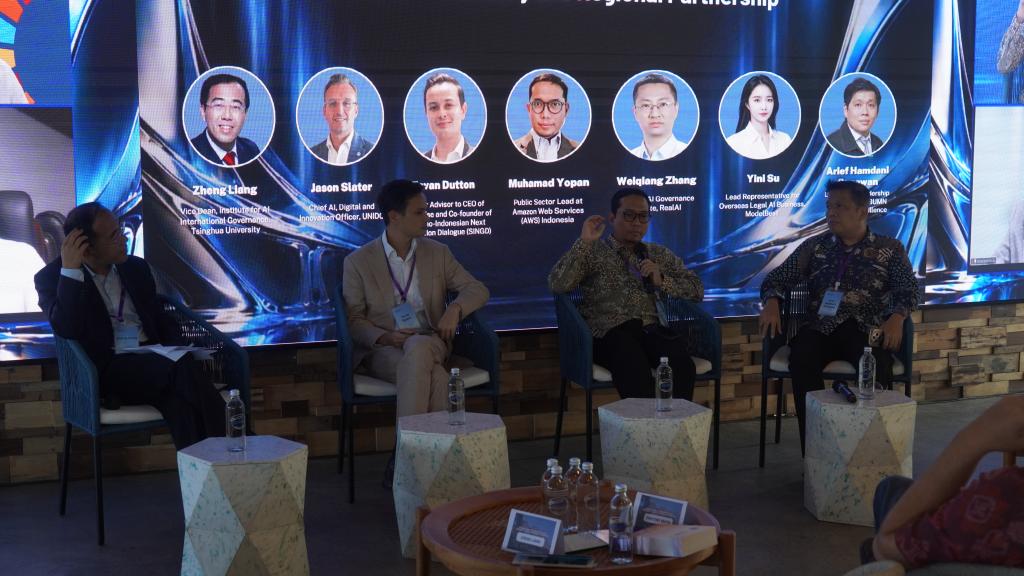
After a brief afternoon break, the conference moved into Session II on “AI Industry and Regional Partnerships,” again moderated by Liang Zheng. This panel examined industry applications, governance frameworks, and technological partnerships across the region. Speakers included Tavan Dutton, Senior Advisor to the CEO of Equatorise and Co-founder of the Sino-Indonesian Next Generation Dialogue, and Muhamad Yopan, Public Sector Lead at Amazon Web Services in Indonesia. Virtual presentations were delivered by Jason Slater, Chief AI, Innovation and Digital Officer, United Nations Industrial Development Organization (UNIDO); Zhang Weiqiang, Director of the AI Governance Institute at RealAI; Arief Hamdani Gunawan, Partner at Lim & Co. Law Firm; and Su Yini, Lead Representative for Overseas Legal AI Business at ModelBest.
The panel examined the challenges of advancing AI from pilot projects to scalable, real-world applications. Discussions covered industrial AI, digital infrastructure, workforce capabilities, legal AI solutions, and the role of public-sector adoption in building confidence and encouraging wider uptake. Speakers noted that successful implementation requires more than technological readiness: applications should address genuine operational needs, perform reliably in real-world settings, and be supported by appropriate governance and institutional arrangements. They also highlighted the need to adapt technologies to local contexts, strengthen domestic expertise, and ensure that international partnerships build sustainable, long-term local capacity. They also identified regulatory predictability, data governance, and the economic and environmental costs of AI infrastructure as key considerations for sustainable regional cooperation.
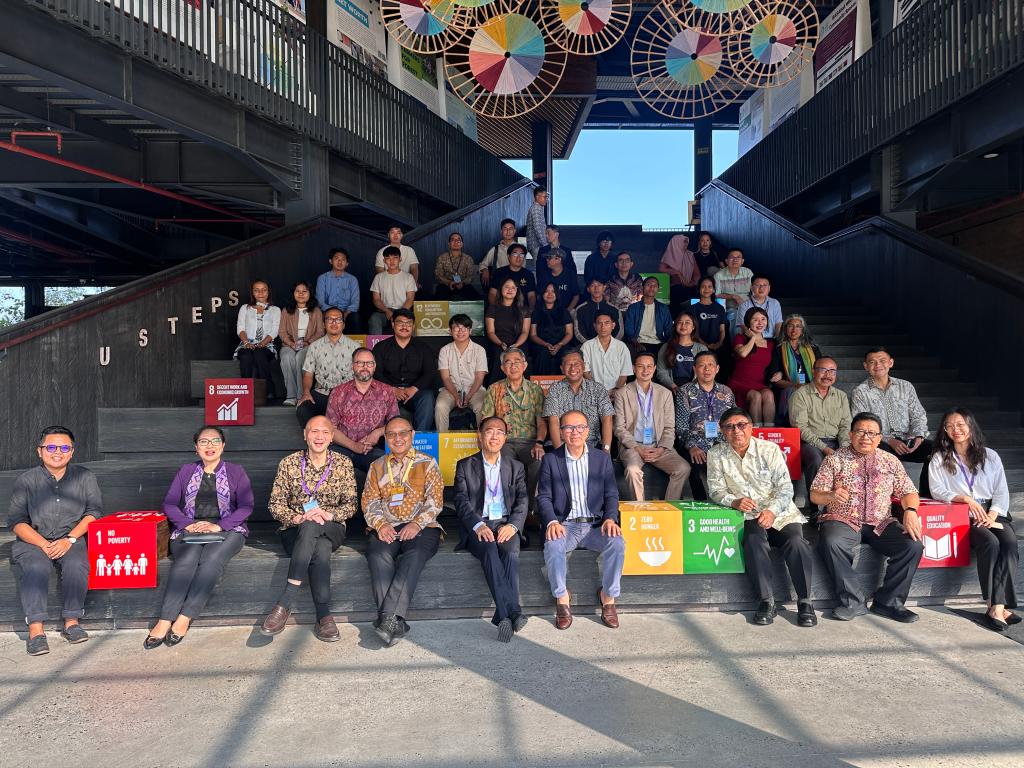
The formal academic and panel discussions concluded with closing remarks, followed by a dedicated Networking Session. The conference served as a collaborative platform to align educational frameworks, industry innovation, and governance approaches to support AI capacity-building throughout Southeast Asia. This summary was prepared by the organizers and reflects the general themes of the discussion. It does not represent the official positions of the governments, international organizations or companies whose representatives took part, nor an endorsement by them of any other participant.